? 7 Powerful Ways the Gut-Brain Connection Can Boost Your Mood and Calm Anxiety Naturally
Table of Contents
Introduction: The Hidden Link Between Your Gut and Your Mind
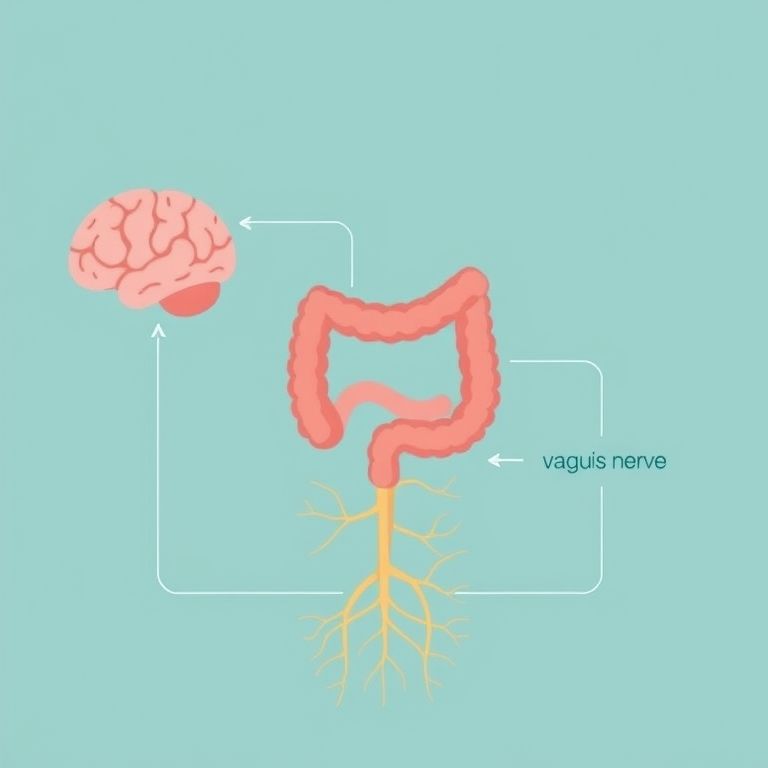
Have you ever felt “butterflies” in your stomach before a big event or noticed that stress can upset your digestion? That’s not just a coincidence — it’s the gut-brain connection in action. Scientists now know that your gut and brain constantly communicate through a complex network known as the gut-brain axis.
Your gut is home to trillions of bacteria — collectively called the gut microbiome — that influence not only your digestion but also your mood, mental clarity, and emotional well-being. In fact, about 90% of the body’s serotonin, often known as the “happy hormone,” is produced in the gut.
When your gut health is out of balance, it can lead to symptoms like anxiety, mood swings, fatigue, and even depression. On the other hand, nurturing your gut health can help you feel happier, calmer, and more focused naturally.
In this post, we’ll explore 7 powerful ways to strengthen your gut-brain connection, improve mood, and reduce anxiety without relying on synthetic medications — just by taking better care of your gut.

1. Nourish Your Gut with Probiotic-Rich Foods
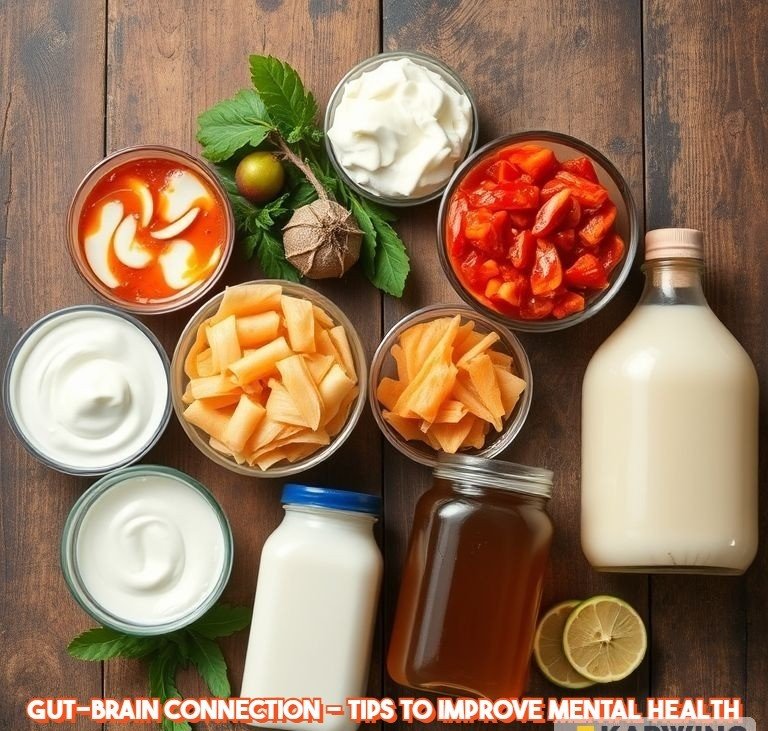
Probiotics are friendly bacteria that support a healthy digestive system and strengthen the gut-brain connection. They help restore balance to your microbiome, enhance nutrient absorption, and produce chemicals that improve mood and reduce anxiety.
Some of the best probiotic-rich foods include:
- Yogurt with live cultures
- Kefir
- Sauerkraut
- Kimchi
- Kombucha
- Miso
- Tempeh
Regularly consuming these foods can improve the diversity of your gut bacteria, which is directly linked to better emotional balance and mental wellness.
? Pro Tip: Combine probiotics with prebiotic foods (like bananas, garlic, onions, and oats) to give the good bacteria in your gut the fuel they need to thrive.

2. Manage Stress to Protect Your Gut
Stress doesn’t just affect your mind — it directly impacts your gut health. When you’re anxious or under chronic stress, your brain sends distress signals to your digestive system, slowing digestion, altering microbiota, and triggering inflammation.
The result? A disrupted gut microbiome can worsen anxiety, irritability, and fatigue.
Try these natural stress management techniques to protect your gut-brain balance:
- Mindful breathing: Deep, slow breathing calms your nervous system.
- Meditation and mindfulness: Even 10 minutes a day can lower cortisol levels.
- Yoga: Combines movement and breathwork to relax both body and mind.
- Nature walks: Spending time outdoors reduces anxiety and improves gut microbiome diversity.
? When you manage stress effectively, you’re not only protecting your mental health but also creating a calm environment for your gut to heal and function optimally.
3. Eat a Fiber-Rich, Whole-Food Diet
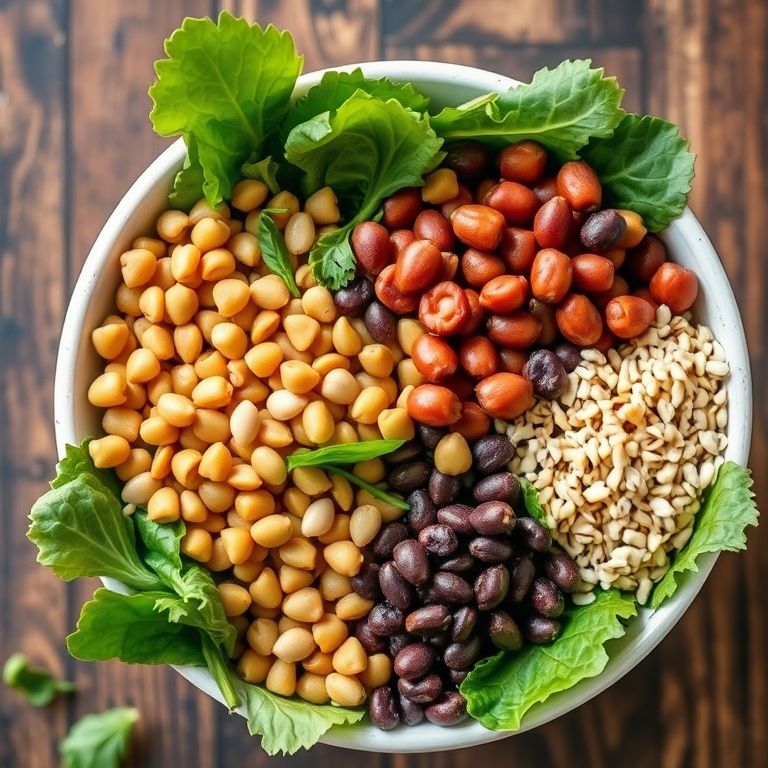
Fiber is your gut’s best friend. It fuels the good bacteria in your intestines and keeps your digestive system running smoothly. A diet high in fiber-rich foods supports microbial diversity, which helps regulate mood and reduce anxiety naturally.
Focus on including these foods daily:
- Fresh fruits (apples, berries, bananas)
- Leafy greens (spinach, kale)
- Whole grains (oats, brown rice, quinoa)
- Legumes (beans, lentils, chickpeas)
- Seeds (chia, flax, sunflower)
Research shows that people who consume a diverse, plant-based diet have a healthier gut microbiome and lower levels of stress hormones.
? Remember: A healthy gut equals a happy mind.

4. Prioritize Quality Sleep for Gut and Mental Health
Sleep is when your body and brain repair themselves — and that includes your gut. Poor sleep disrupts the gut microbiome, which can lead to increased anxiety, irritability, and low mood.
Aim for 7–9 hours of restful sleep each night and establish a consistent bedtime routine.
Tips for better sleep and improved gut-brain health:
- Avoid heavy meals or caffeine late in the evening.
- Reduce screen time an hour before bed.
- Practice relaxation techniques such as gentle stretching or meditation.
- Keep your room cool, dark, and quiet.
Getting quality sleep supports the gut-brain axis, allowing your mind and body to recharge, balance hormones, and maintain emotional stability.
5. Stay Hydrated and Limit Processed Foods
Hydration plays an underrated but essential role in gut health. Water helps break down food, supports nutrient absorption, and maintains the protective mucus lining of your intestines — all of which contribute to a healthy gut-brain connection.
On the flip side, processed foods, excess sugar, and artificial additives harm beneficial bacteria and trigger inflammation, which can worsen anxiety and depression.
Replace processed foods with:
- Fresh fruits and vegetables
- Herbal teas
- Natural sources of electrolytes like coconut water
- Whole grains and lean proteins
? By simply drinking enough water and cutting out processed junk, you’ll notice better digestion, clearer thinking, and a calmer mood.
6. Move Your Body: Exercise for Gut-Brain Harmony
Exercise isn’t just about physical fitness — it’s one of the most effective natural antidepressants available. Regular movement enhances circulation, stimulates digestion, and supports the production of “feel-good” neurotransmitters like serotonin and dopamine.
Studies show that moderate exercise also increases beneficial gut bacteria, which can help reduce inflammation and improve mental clarity.
Try these forms of exercise to strengthen your gut-brain connection:
- Walking or jogging outdoors
- Yoga or Pilates
- Swimming
- Dancing
- Cycling
Even 30 minutes of daily movement can dramatically improve your mood, focus, and stress resilience.
7. Consider Mindful Eating and Emotional Awareness
We often eat while distracted — scrolling on our phones, watching TV, or rushing through meals. This prevents your body from properly digesting food and can disrupt the gut-brain connection.
Mindful eating means paying attention to what, when, and how you eat. It involves noticing the colors, textures, and flavors of your food and listening to your body’s hunger and fullness cues.
Here’s how to practice it:
- Eat slowly and chew thoroughly.
- Put away screens while eating.
- Appreciate the aroma, taste, and texture of your meal.
- Stop eating when you feel comfortably full.
When you eat mindfully, you activate your body’s rest-and-digest mode, which supports smoother digestion, reduced bloating, and better nutrient absorption — all essential for mental wellness and emotional balance.
Bonus Tip: Listen to Your Gut Instincts — Literally!
Your gut is often called your “second brain” for a reason. It sends more signals to your brain than the other way around! When you get a “gut feeling,” it’s your microbiome communicating important information about your emotional state and environment.
Start paying attention to these signals. If certain foods, stressors, or situations upset your stomach or mood, take note — your gut might be guiding you toward better mental balance.
The Science Behind the Gut-Brain Axis
The gut-brain axis works through the vagus nerve, hormones, and biochemical signaling. When your gut microbiota are balanced, they produce beneficial compounds that reduce inflammation and enhance brain function. When they’re imbalanced, harmful bacteria can release toxins that affect neurotransmitters and mood.
Recent studies suggest that improving gut health can significantly reduce symptoms of anxiety and depression, and even help with conditions like ADHD or chronic stress.
So by taking care of your gut, you’re not just supporting digestion — you’re actively nourishing your emotional and psychological health.

Final Thoughts: A Healthy Gut Creates a Happy Mind
The connection between your gut and brain is one of the most exciting discoveries in modern health science. The food you eat, the way you manage stress, and even how you sleep can directly shape your emotional well-being.
By following these 7 powerful gut-brain health strategies, you can:
- Improve your digestion
- Boost your mood naturally
- Reduce anxiety
- Build resilience against stress
- Enhance overall mental wellness
It’s time to start treating your gut with the same care you give your mind — because, in truth, they’re deeply connected. One just leads to the betterment of the other, and because they don’t seem to be linked in obvious ways, more often than not, gut health continues to be ignored when the talk is about mental health.
? Key Takeaways
- Your gut microbiome directly affects your mood and anxiety levels.
- A diet rich in probiotics, fiber, and whole foods supports a balanced gut-brain connection.
- Managing stress, exercising regularly, and sleeping well are crucial for both gut and mental health.
- Mindful eating helps strengthen digestion and emotional awareness.
When you nourish your gut, you nurture your happiness, mental health, and well-being. ?
*I hope you have enjoyed reading this article on Gut-Brain Connection as much as I have enjoyed writing this! Do watch this space for more such articles and navigate through the links below for more… Thank you!! *