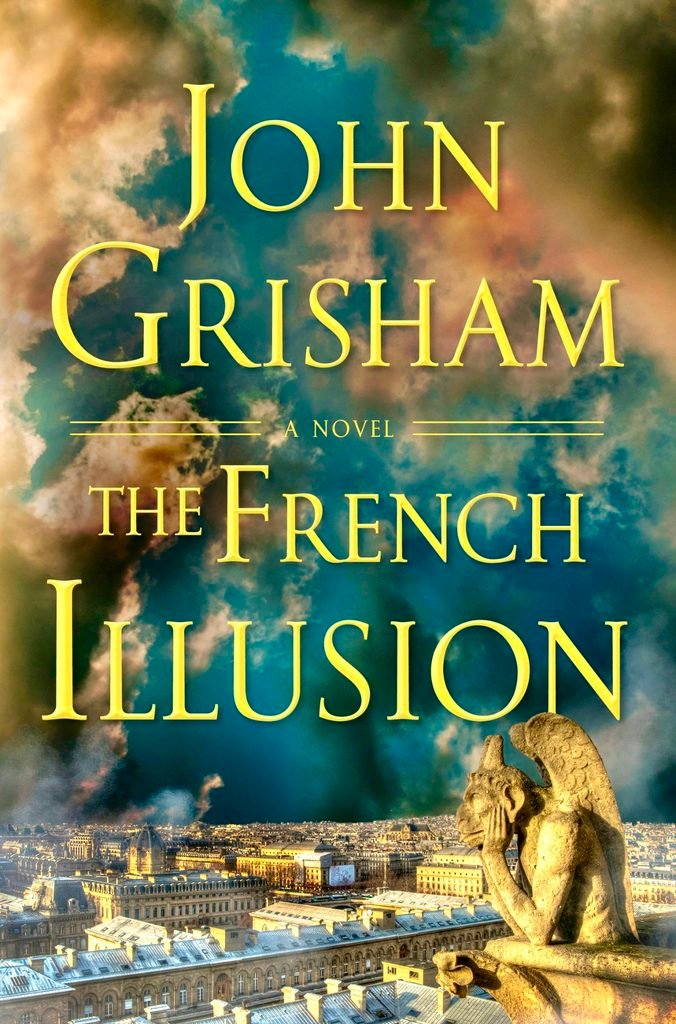
From Legal Drama to CIA Ops: Does John Grisham Deliver in His First Espionage Novel ‘The French Illusion’?
Table of Contents
My Rating – 4 out of 5
Few settings invite drama quite like Paris. The cobblestone alleys, the glowing streetlights reflecting off the Seine, and the quiet cafes tucked into historic corners feel custom-made for romance. But in true thrill-master fashion, John Grisham takes that idyllic backdrop, turns it completely inside out, and weaves a web of international intrigue, covert operations, and sudden peril in his thriller, The French Illusion.
If you have followed John Grisham’s storied writing career over the decades, you know he built an empire on high-stakes courtroom battles, complex moral dilemmas, and sharp legal maneuvering. From the Southern charm and legal precision of A Time to Kill to the razor-sharp tension of The Firm, Grisham practically defined the modern legal thriller genre. However, every now and then, he steps away from the courtroom bench to test the waters of international suspense. In The French Illusion, Grisham drops us straight into that expanded sandbox, trading dusty law offices, depositions, and court reporter transcripts for European espionage, hidden political agendas, and high-octane surveillance.
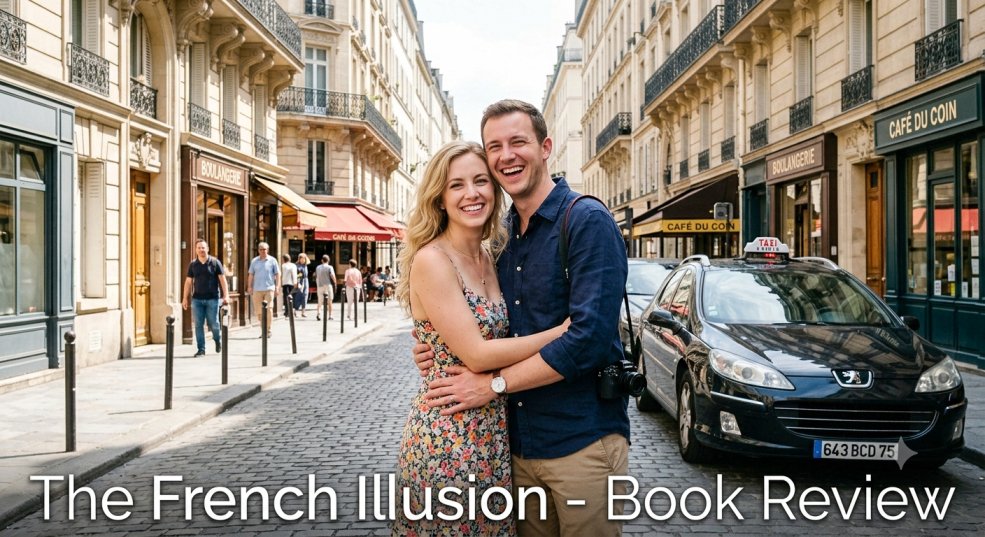
At the heart of The French Illusion is an American couple embarking on what should be the trip of a lifetime: a dream honeymoon in Paris. It is the quintessential getaway—strolling down the Boulevard Saint-Germain, sampling fresh pastries from neighborhood boulangeries, and soaking in the effortless, timeless romance of the City of Light. But just as the pair settles into the serene rhythm of their vacation, the dream shatters into pieces. A sudden, terrifying turn of events pulls them out of their quiet hotel room and directly into the crosshairs of a shadowy global conspiracy.
From that pivotal moment onward, The French Illusion transforms a picturesque holiday into a desperate fight for survival against forces operating far beyond their control.
What makes The French Illusion particularly compelling is how effectively Grisham plays on the classic “innocents abroad” trope. There is a specific, acute kind of vulnerability that comes with being caught in a life-or-death crisis in a foreign country—a place where you don’t fully speak the language, don’t understand the local bureaucracy, and can’t be entirely sure who to trust. Throughout The French Illusion, Grisham leverages that sense of isolation brilliantly. The black Peugeot taxicabs speeding through intersections, the crowded metro platforms, and the winding Parisian side streets aren’t merely scenic decor; in The French Illusion, they become an intricate, inescapable maze our protagonists must navigate simply to stay alive.
For long-time fans of crime fiction, suspense novels, and fast-paced international thrillers, a new book from a titan of the genre always comes with immense expectations. Does Grisham manage to maintain his signature pacing when shifting away from American courtrooms and statutory law? How well does he craft the atmospheric tension of European espionage compared to veteran spy fiction authors? And most importantly, does The French Illusion deliver enough sharp twists, credible stakes, and clever turns to keep you flipping pages long into the night?
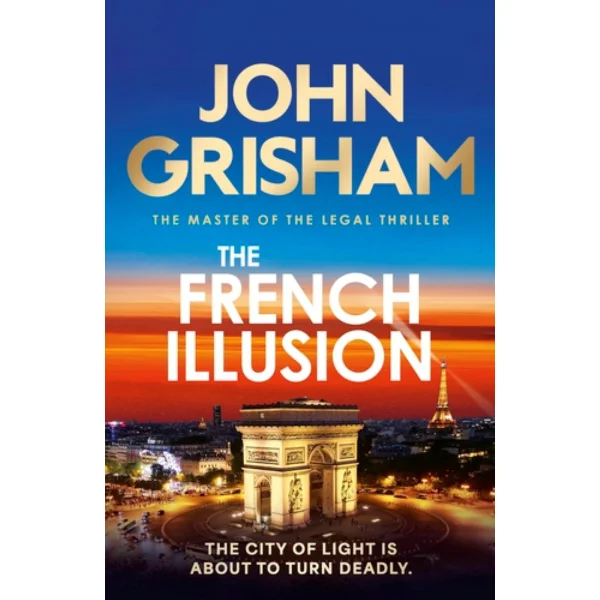
In this comprehensive, spoiler-free review of The French Illusion, we break down everything you need to know before adding it to your reading list. We will examine the core plot mechanics driving The French Illusion, dive deep into the main character dynamics, analyze how effectively Grisham paints the setting of modern Paris, and weigh the pros and cons of the novel’s overall pacing. Whether you are a die-hard Grisham loyalist curious about his latest narrative shift, a fan of CIA thrillers looking for your next weekend read, or simply searching for a captivating page-turner to pack for an upcoming flight, this in-depth look at The French Illusion has you covered.
So grab your favorite cup of coffee, settle into a comfortable chair, and let’s explore whether The French Illusion delivers the high-stakes, unputdownable satisfaction readers around the world expect from one of storytelling’s absolute masters.
Plot Summary
Like thousands of newlywed American couples every year, Paul Tanner and Chelsea Clayburn chose to honeymoon in the City of Lights, Paris. Chelsea had inherited this love for Paris from her mother, Justine. Like so many people these days, every moment of their daily routine was well documented on social media. But their dreamy, picture-perfect honeymoon was rudely interrupted. On their visit to Normandy, they are cruelly kidnapped and separated. They are both drugged and moved around and have no idea where they are. Hours later, comes the ransom demand: only $2 million for Chelsea, no contact yet for Paul, though.
Chelsea’s father, Dr. Clayburn, is an Orthopaedic surgeon and is wealthy enough to raise the ransom money quickly, but Paul’s parents are not. So when the ransom demand comes, they struggle to raise the funds needed to secure Paul’s release. None of them are keen to contact the authorities as the kidnappers have explicitly prohibited them from doing so. Eventually, Chelsea is released unharmed, but there is no clue about Paul’s whereabouts, with the only proof of life being self-destroying video clips of Paul speaking to the camera. Then the FBI becomes involved and ultimately the CIA, when they realize that the crime of abduction and kidnapping has happened in another country.
But neither the DGSI of France nor the CIA station there has a clue about Paul’s location, and when they let it be known that there were two more such kidnappings in the last three years, the families feel even more despondent. None of the men have come back yet, though the women were released unharmed after the ransom was paid. In each case, the amounts were the same, $2 million for each individual, and all three men had military careers before they quit.
Another common factor in the three men’s background is that they were part of the US war on terrorism, post 9/11. Though not directly involved, they were witness to a lot of prisoner torture, sometimes with fatalities. So, one working theory with the CIA was that this was a crusade for revenge, but nobody had any inkling as to the who and how! As they fumble around in the dark, the kidnappers’ endgame becomes clearer when they engage an unconnected intermediary to negotiate with the US authorities. While the hardline camp is all for staging a military campaign to rescue the abducted men, a rationalist group advises caution.
It is in this backdrop that I will leave you, to keep your curiosity piqued: what solution does the American government choose, force or diplomacy? Are the kidnapped men even alive? Will Chelsea and Paul ever be together again? What are the kidnappers truly after? Despite recovering a ransom of $12 million, what else could they be wanting? To know the answers to these questions and more, grab a copy and run through it! What do you think of the Legal Novel maestro’s first attempt at an espionage novel? Will there be a follow-up to this?
Conclusion to the Book Review –
When the final page of The French Illusion turns, it leaves behind a lingering, satisfying echo of high-stakes suspense that proves John Grisham’s narrative instincts remain as sharp as ever. While long-time readers may always associate his name with Southern courtrooms, legal thrillers, and small-town justice, this Parisian venture demonstrates a remarkably smooth pivot into international intrigue. The French Illusion succeeds not because it reinvents the espionage genre, but because it grounds high-level CIA tradecraft in genuine human vulnerability, making the danger feel immediate, unpredictable, and remarkably grounded.
What ultimately elevates The French Illusion above standard action fare is Grisham’s meticulous attention to psychological atmosphere. Rather than relying solely on non-stop explosions or relentless gunfights, The French Illusion builds its tension through quiet paranoia, sharp observation, and the constant, nagging feeling of being watched across the cafes and boulevards of France. The contrast between the romantic allure of Paris and the cold, calculating world of state intelligence gives The French Illusion a rich, cinematic texture. Every black taxi trailing down a cobblestone alley or shadowed alleyway near the Seine adds another layer of suspense, keeping the reader constantly guessing who holds true authority and who is merely playing a part in a much larger game.
For anyone who enjoys tight, plot-driven fiction with a strong sense of place, The French Illusion is a rewarding, engrossing read. It balances fast-paced action with accessible, intelligent storytelling, ensuring that casual readers and seasoned spy-thriller aficionados alike will find plenty to sink their teeth into. Whether you pick up The French Illusion for a quick weekend escape, a long flight, or simply to see how one of America’s favorite storytellers handles a European landscape, it stands as a memorable, highly entertaining addition to Grisham’s impressive bibliography.
If you have already finished The French Illusion, or are trying to decide if it deserves a spot on your nightstand, we have put together a quick, intrigue-filled FAQ section below to answer some of the most common questions readers have about the book!
Frequently Asked Questions About The French Illusion
Is The French Illusion a standalone novel, or is it part of a series?
The French Illusion is written as a standalone international thriller. Unlike Grisham’s recurring legal series featuring characters like Jake Brigance, The French Illusion offers a self-contained story arc with a definitive, highly satisfying resolution.
Do I need to be familiar with CIA operations or legal terminology to enjoy The French Illusion?
Not at all. One of Grisham’s greatest strengths in The French Illusion is making complex espionage tactics and intelligence gathering easy to follow. He explains the tradecraft seamlessly within the narrative, allowing you to stay fully immersed in the suspense without getting bogged down in jargon.
How much of The French Illusion is actually set in Paris?
A substantial portion of The French Illusion unfolds right in the heart of Paris! Grisham uses real Parisian landmarks, neighborhoods, and cultural nuances to weave the story, making the French capital feel like an active character in the plot rather than just a passive background setting.
How does The French Illusion compare to classic John Grisham legal thrillers?
While classic Grisham focuses heavily on courtroom drama, motions, and trial strategy, The French Illusion focuses on international travel, surveillance, and survival against covert intelligence forces. However, it still features Grisham’s trademark pacing, sharp dialogue, and relatable protagonists fighting against overwhelming odds.
Is The French Illusion suitable for book clubs?
Yes! The French Illusion offers plenty of engaging discussion topics for book groups, including themes of trust in foreign environments, the ethics of government surveillance, and how ordinary individuals respond when thrust into extraordinary, life-threatening circumstances.
What’s Your Take on The French Illusion?
Have you read The French Illusion yet? Did Grisham’s shift from courtroom drama to Parisian spy suspense work for you? Drop your thoughts, favorite plot twists, and ratings in the comments section below—we’d love to hear your take!